
Sri Lanka, Southern hills
South Coast Cinnamon (Gradly Estate)
From$196per person
12 hours
Tour Overview
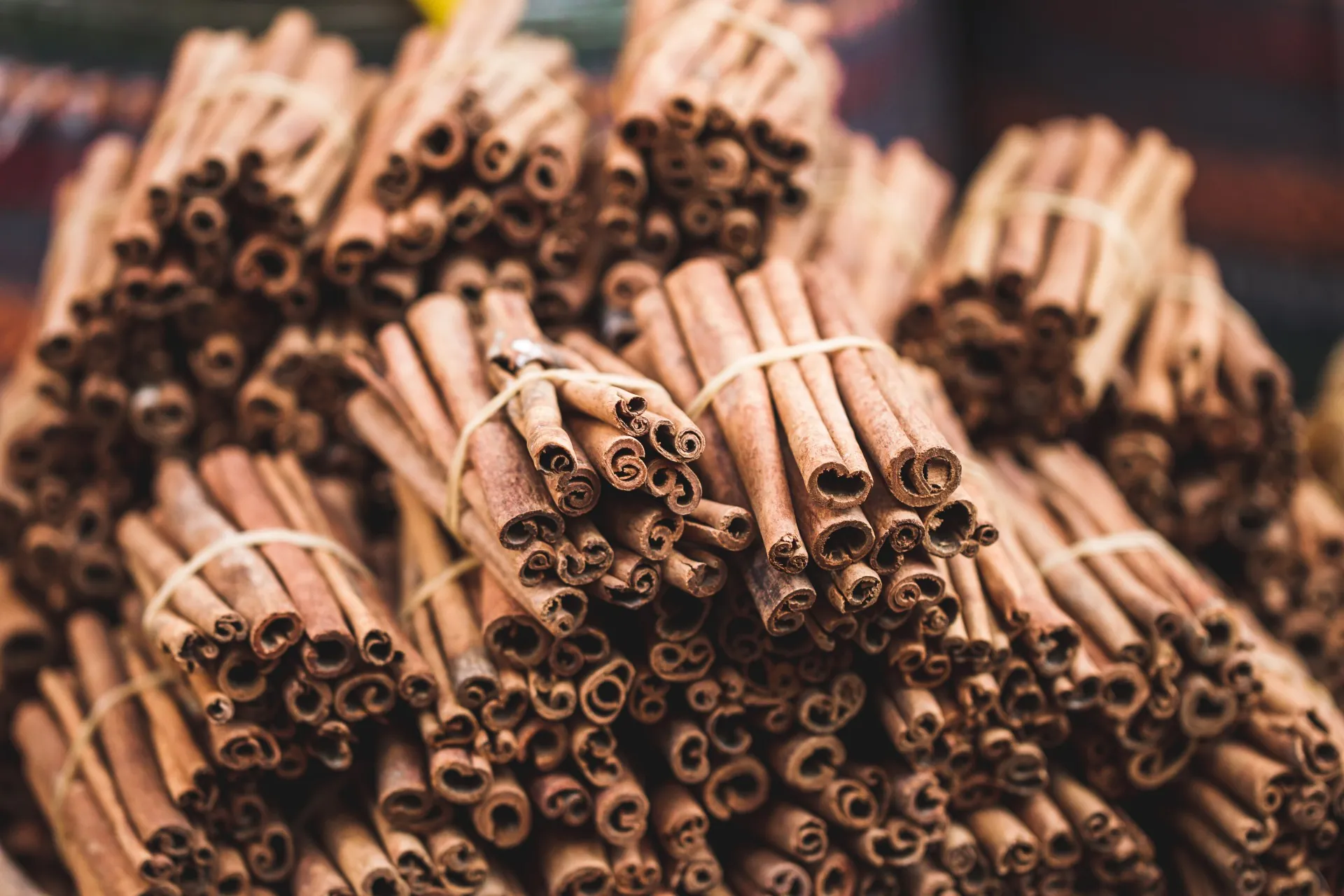
Sri Lanka grows the world's best cinnamon—not opinion, actual botanical fact. The stuff in your grocery store labeled cinnamon is probably cassia from somewhere else. Real Ceylon cinnamon comes from these southern hills, and Gradly Estate is where you can see how it's actually grown, harvested, and processed. Meet the estate owner, walk through cinnamon groves, watch peelers work (and try it yourself), and understand why colonizers fought wars over this spice. Plus breathtaking hilltop views and cinnamon-infused everything.
What to Expect
Choose Your Time - 9:00 AM or 4:00 PM for a 2-hour tour
Cinnamon-Infused Welcome - Greeted with cinnamon juice, a preview of what this entire experience will smell and taste like
Walking Uphill Through the Estate - Southern hills perfectly suited for cinnamon: right soil, rainfall, and elevation. This is why the Southern Province produces the world's finest cinnamon. Learn how it grows—it's tree bark harvested from shoots that regrow after cutting. Sustainable, renewable, and labor-intensive. (If the climb sounds daunting, they can arrange a tuk tuk—mention when booking)
Peeling & Oil Extraction Shed - Where the real work happens. Local peelers—many of them women, often entire families—process cinnamon from this estate and nearby smallholdings. Watch them strip outer bark, carefully peel inner layers, roll them into quills (the cinnamon sticks you know), and grade by thickness and quality. It's mesmerizing
The Full Story - Learn grading systems (Alba, Continental, Mexican, Hamburg—yes, cinnamon has a whole classification hierarchy), uses and benefits (culinary, medicinal, aromatic), and colonial influence. The Portuguese came for it. The Dutch fought them for it. The British controlled the trade. Sri Lanka's history is inseparable from this spice
Try Peeling Yourself - Simple tools—a curved knife and steady hands. The technique is not simple. You'll quickly understand why peelers train for years and why good ones are valued in communities. Harder than it looks, smells incredible, gives you immediate respect for the skill
Hilltop Reward - Breathtaking views of the southern coast, tea (or cinnamon brew), and an Ambalama—a traditional open-sided rest pavilion where spice traders rested centuries ago. You're sitting where they sat, looking at the same hills that made this region valuable
Optional Tea Tasting - 20 minutes, sample different Ceylon tea varieties while learning how tea and cinnamon estates coexist (let them know when booking)
What's Included - Hosted cinnamon tour
Family Friendly - Kids welcome and love trying to peel
Wear - Cool clothing, closed shoes for uphill walking
Real Talk - This is a working estate. Peelers are processing because it's their job, not for tourists. Some days production is busier, some days fewer people are working. The experience adapts to what's actually happening. Also, it's an uphill walk—not extreme but steady incline. Use the tuk tuk option if mobility is an issue
Why Ceylon Cinnamon Matters - Most cinnamon sold globally is cassia—stronger, harsher, higher coumarin content (can be toxic in large amounts). Ceylon cinnamon (Cinnamomum verum—literally true cinnamon) is subtler, sweeter, considered superior by chefs and herbalists worldwide. Sri Lanka produces 80-90% of the world's true cinnamon, and southern hills are the epicenter. This isn't a commodity crop—it's a cultural legacy, a family trade, and something locals take serious pride in
Location
Start Planning
Ready for Your
Tailor-Made Journey?
Contact our travel specialists to start planning your perfect Sri Lankan adventure.
24/7 Support
Local Experts
Fast Response