
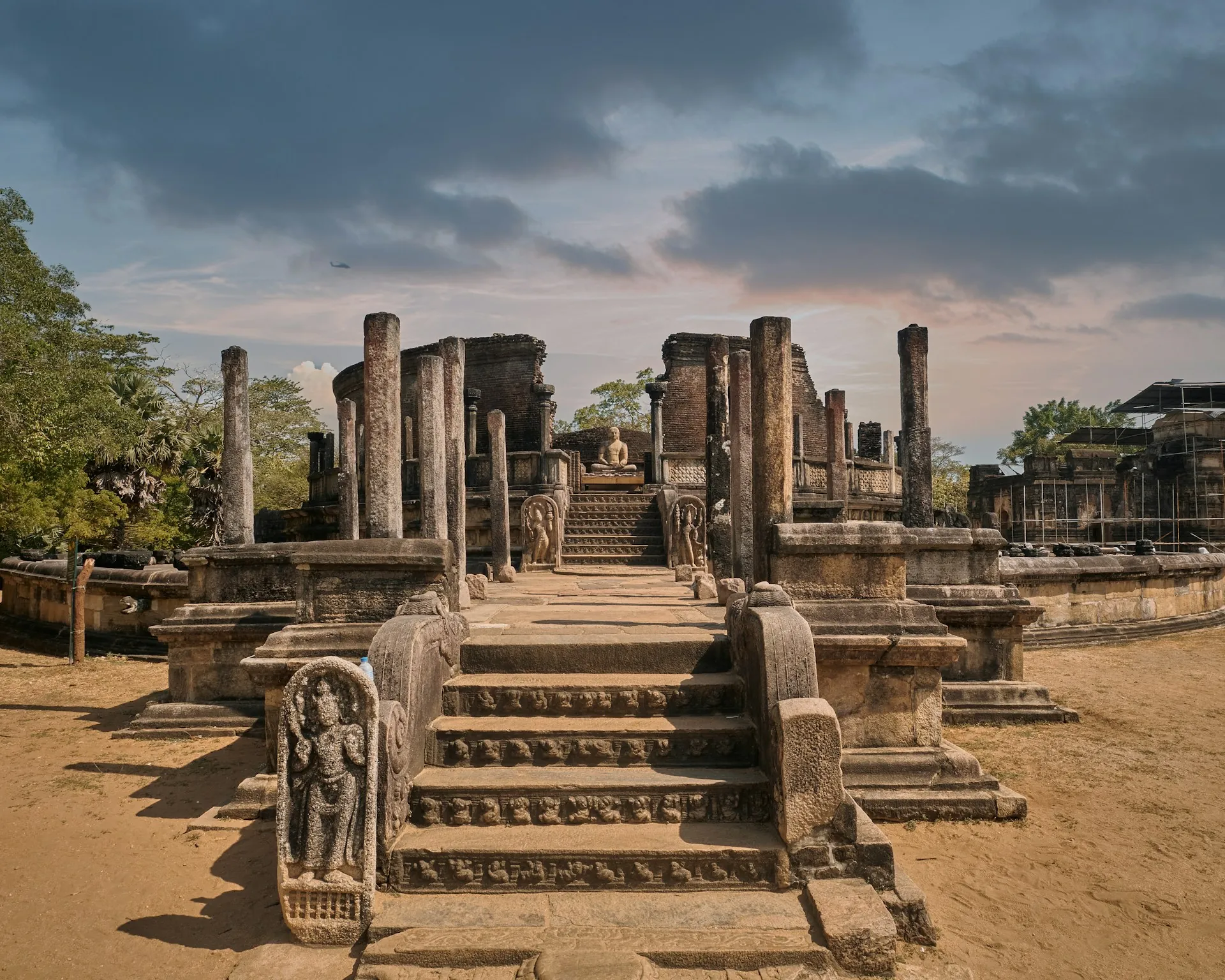
Sri Lanka, Polonnaruwa
Polonnaruwa's Primates
From$172per person
12 hours
Tour Overview
Polonnaruwa is famous for ancient ruins. What gets less attention: it's also home to thriving primate populations that were declining until the Smithsonian Research Center stepped in. Now it's a living conservation site—and you get to explore it with actual field researchers who've spent decades studying these monkeys. Toque macaques, grey langurs, and purple-faced leaf monkeys live among medieval ruins, their social structures and behaviors tracked daily by scientists. This is where Disney filmed Monkey Kingdom, and you're walking the same grounds with people who understand primate conservation challenges first-hand.
What to Expect
7:15 AM Start - Early keeps it cool and catches primates when they're most active. 2-hour experience before heat intensifies
Your Guides Are Researchers - From the Smithsonian Primate Research Center, affectionately called Monkey Camp. Not tour guides pretending to know wildlife—actual scientists who've been studying these populations for decades
Three Primate Species - Toque macaques move in organized troops with clear hierarchies. Grey langurs are more relaxed, often lounging on ruins. Purple-faced leaf monkeys prefer higher spots—look up into tree canopy and temple tops to spot them
Individual Recognition - Your guides know these monkeys individually. They'll point out social interactions—who's dominant, which juveniles are testing boundaries, how different species coexist in overlapping territories
The Conservation Story - Habitat reduction meant declining monkey numbers. Then Smithsonian established a field station here 47 years ago, and conservation efforts reversed the trend. Now healthy troops live among ancient structures. Your hosts explain ongoing challenges: habitat fragmentation, human-wildlife conflict, maintaining genetic diversity, balancing tourism with research needs
Monkey Kingdom Filming Location - Disney's documentary followed a toque macaque named Maya right here. The film brought global attention, but the research has been happening since 1978. Your hosts have appeared in notable TV documentaries and contribute to conservation science reaching beyond Sri Lanka
Ruins and Primates Together - After primate focus, continue exploring before heat hits. Buddha statues, palace remains, irrigation systems gain different meaning when you understand the wildlife that's reclaimed this space. The monkeys don't care about medieval history—they've made these ruins home
What's Included - Walk with researchers, entry to Polonnaruwa
Bring - Cool clothing, hat, passport (for site entry), binoculars if you have them
Great for Wildlife-Loving Kids - They'll be mesmerized
Real Talk - These are wild primates, not performers. Some mornings they're everywhere, social interactions on full display. Other mornings they're quieter, less visible. Your guides know where troops usually are but can't guarantee specific behaviors. Also, 7:15 AM is early—but primates are most active in cooler hours and Polonnaruwa gets brutally hot by mid-morning
Why It Matters - The Smithsonian station has championed primate diversity conservation for nearly five decades with global educational reach. By joining this walk, you're supporting ongoing research while learning from people who've dedicated careers to understanding these animals. It's not a zoo visit—it's real conservation science in action
Location
Start Planning
Ready for Your
Tailor-Made Journey?
Contact our travel specialists to start planning your perfect Sri Lankan adventure.
24/7 Support
Local Experts
Fast Response